Cavalier King Charles Spaniels carry more harmful genetic variants than other dog breeds, study finds
According to foreign media reports, a new study has found that Cavalier King Charles Spaniel carries more harmful genetic mutations than other dog breeds, including mutations related to the common heart disease myxomatous mitral valve disease (MMVD). Erik Axelsson of Uppsala University and colleagues published the new findings on September 2 in the journal PLOS Genetics.

Dog breeding over the past 300 years has created an incredible diversity of breeds with varying body shapes and characteristics. Unfortunately, this process also leads to inbreeding in many breeds, increasing the chance of genetic disease. Researchers want to know whether recent breeding practices have increased the number of disease-causing variants in dogs. They sequenced the whole genomes of 20 dogs from eight common breeds, such as beagles, German shepherds and golden retrievers. They found that the Cavalier King Charles Spaniel, which had undergone the most intensive breeding, carried more harmful genetic variants than other breeds they studied.
Researchers are also looking for genetic variants associated with MMVD in the Cavalier King Charles spaniel genome. In this condition, the mitral valve in the heart degenerates, allowing blood to leak from the left ventricle back into the left atrium. They found two genetic variants linked to the disease that appear to regulate a gene that codes for a protein common in heart muscle. These findings provide a potential explanation for why Cavalier King Charles Spaniels are susceptible to the disease.
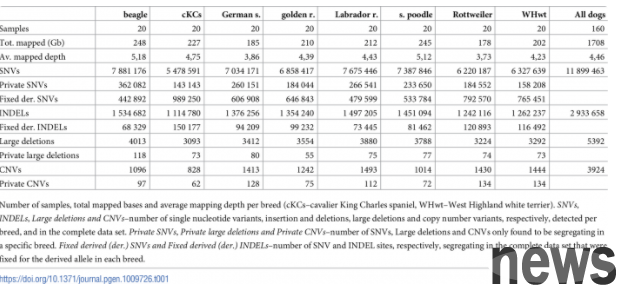
The Cavalier King Charles Spaniel has a particularly high number of potentially harmful genes in its genome compared to other dogs, possibly due to its breeding history. Records indicate that beagles have been around for at least 1,000 years and were common in royal courts throughout Asia and Europe, including that of King Charles II (1630-1685). These spaniels went through several "bottlenecks" where only a small percentage of the population passed on their genes to the next generation. These bottlenecks may have made harmful genes more common in the genome of the Cavalier King Charles Spaniel, which was recognized as a separate breed in 1945.
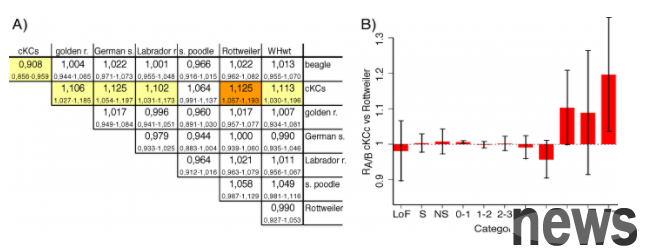
Axelsson added: "We found that recent breeding may have led to an accelerated accumulation of harmful mutations in certain dog breeds. Specific to the Cavalier King Charles Spaniel, one or several of these mutations affect the cardiac protein NEBL and may make this breed susceptible to devastating heart disease."
Article source: Today's Headlines-cnBeta